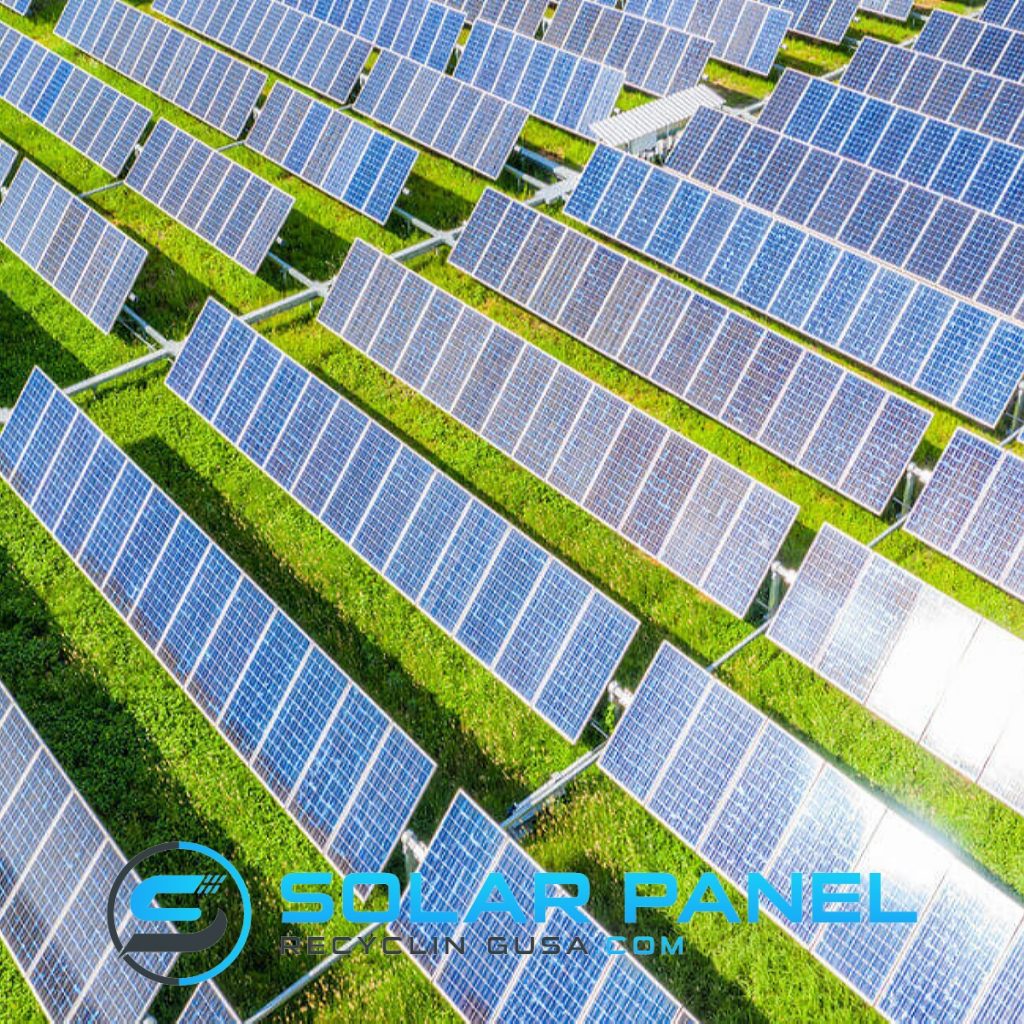
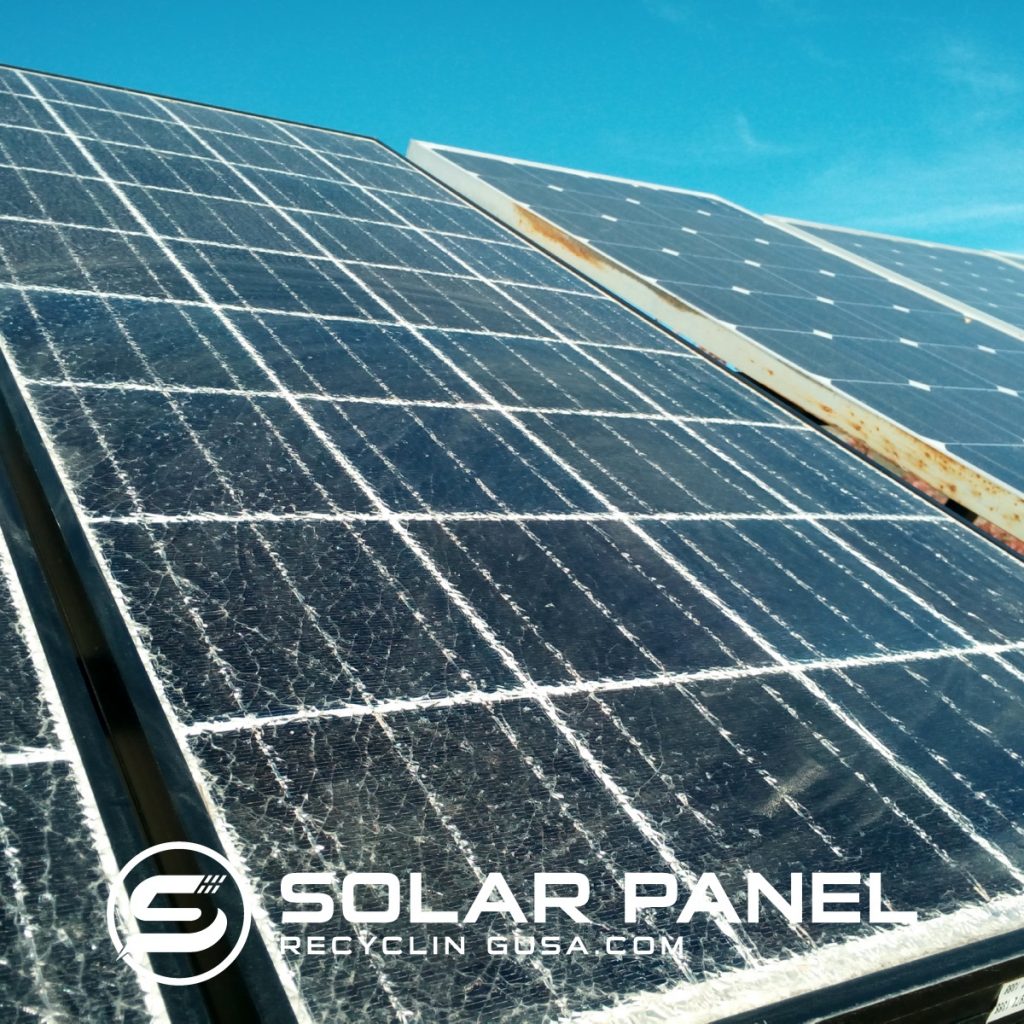
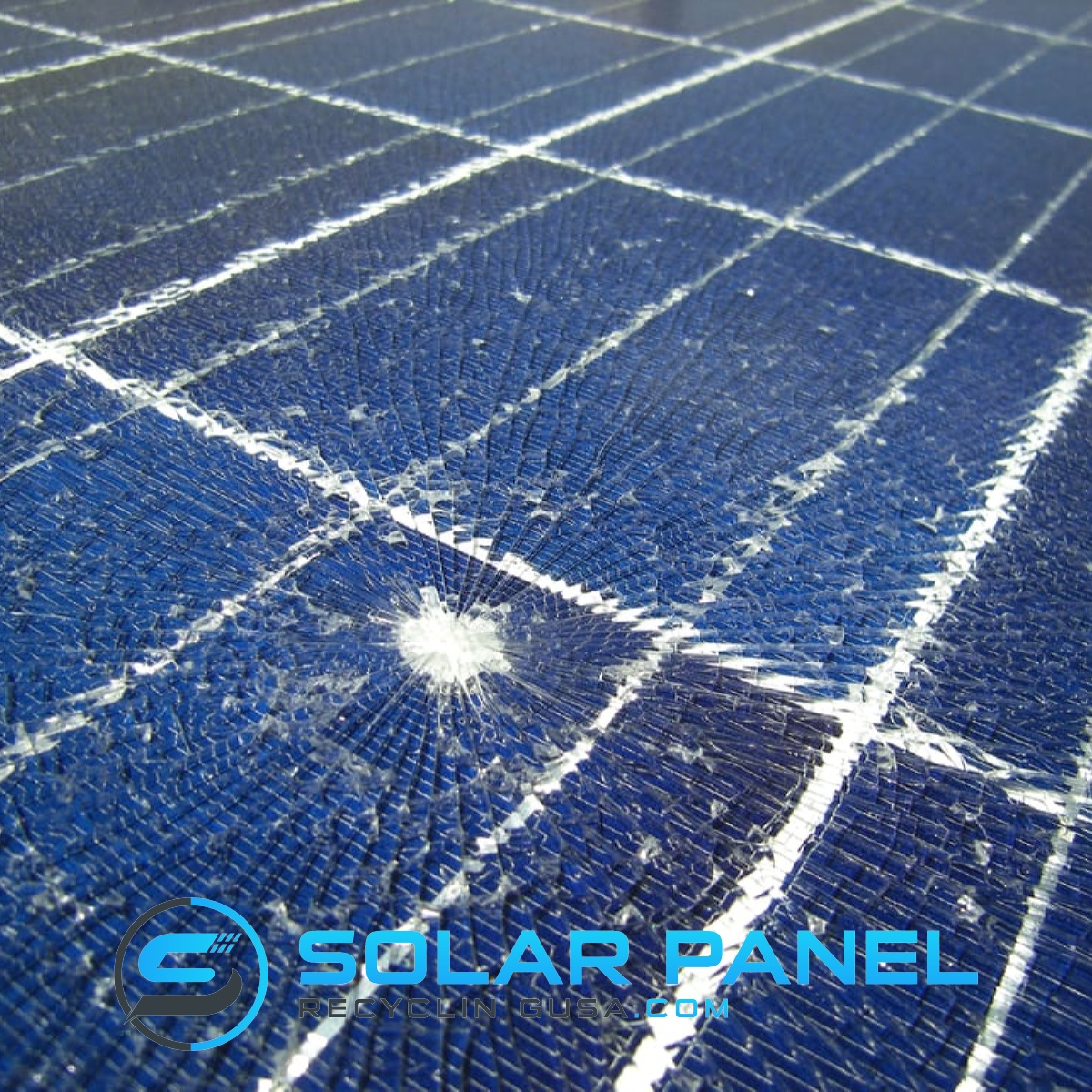
The advancement of solar panels has been integral to fostering sustainable growth globally. Consequently, through the conversion of sunlight into electricity via photovoltaic panels, these systems efficiently harness photons to drive electron flow within silicon cells. Consequently, relying solely on solar radiation, they effectively power residences and commercial entities. However, as the early 2000s witnessed an unprecedented surge in solar panel adoption, the United States alone saw over 2 million installations. Despite their average 30-year lifespan, these panels eventually falter, rendering those installed two decades ago approaching their operational end. Consequently, this influx of aging panels presents a looming challenge: the rapid accumulation of scrap piles, spotlighting the imminent necessity of a Scrap PV Solar Panel Modules Processing Facility to manage this burgeoning issue.
So, in what capacity should you deal with your scrap solar panels after they arrive at the end of their lives? You should sell them to a scrap PV solar panel modules processing facility. Recycling solar panels can diminish what goes to the landfill, lessen waste, and save on energy used to produce materials.
Through recycling, recycling centers can recuperate more than 80% of a crystalline silicon unit from each solar panel. In addition, they can also reuse other components like electric junction boxes, glass and plastic, and aluminum frames and brackets.
Companies that work with solar panels may question, “Where do I find a scrap PV solar panel modules processing facility?” A USA solar panel recycling company must have the proper expertise and credentials to reuse the material. A decent spot to start your research may be the Solar Energy Industries Association (SEIA) website.
- This trade association “embodies the innovation and entrepreneurship that defines solar energy.”
- SEIA members represent North America’s top solar panel installers, decommissioning companies, and recycling companies. The membership experiences significant growth.